
Understanding High Blood Pressure and Why Yoga Helps
High blood pressure — medically called hypertension — happens when the blood flowing through your arteries pushes too strongly against their walls. Over time this constant pressure forces your heart to work harder and can damage blood vessels, increasing the risk of heart attack, stroke, and kidney disease.
Doctors measure blood pressure in millimeters of mercury (mmHg) and record it as systolic/diastolic — for example, 120/80 mmHg.
- Systolic (the first number) shows the pressure when your heart beats.
- Diastolic (the second number) shows the pressure when your heart rests.
A consistent reading above 130/80 mmHg is often considered high. Common triggers include stress, lack of exercise, excess salt, obesity, and poor sleep. The good news: mindful movement and breathing techniques — especially yoga — can help relax the nervous system, improve circulation, and naturally support healthy blood pressure levels.
High blood pressure, or hypertension, is one of the most common lifestyle-related health issues today — often caused by stress, lack of movement, and poor breathing habits. Yoga offers a natural and holistic way to bring balance back to the body and mind. If you’re new to yoga or prefer guided sessions, you can explore the best online yoga classes from to learn gentle, heart-friendly asanas designed to reduce stress, improve circulation, and support long-term blood pressure control.
Yoga offers a natural, non-pharmacological approach that promotes relaxation, circulation, and balance. Through slow postures, deep breathing, and mindfulness, yoga helps activate the parasympathetic nervous system — your body’s rest-and-restore response.
Studies published in BMC Cardiovascular Disorders and Harvard Health confirm that a consistent yoga practice can reduce both systolic and diastolic pressure, especially when combined with healthy living.
The Best Yoga Asanas for High Blood Pressure
These gentle postures are safe and effective for most people with mild to moderate hypertension. Always check with your doctor before starting, especially if you have severe BP or heart issues.
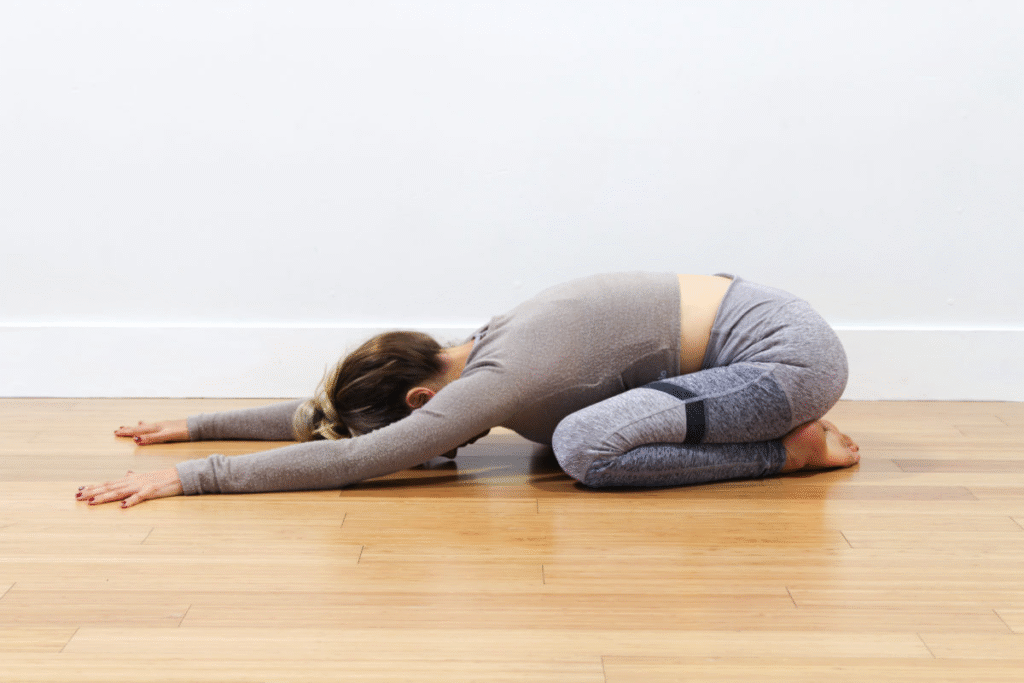
1. Balasana (Child’s Pose)
Why it works:
This deeply restorative posture relaxes your lower back and shoulders while calming the mind. It eases tension and helps slow down the breath — lowering stress hormones.
How to do it:
- Start on all fours.
- Bring big toes together, knees apart.
- Sit your hips back toward your heels and stretch your arms forward.
- Rest your forehead on the mat.
- Stay for 1–3 minutes, breathing slowly.
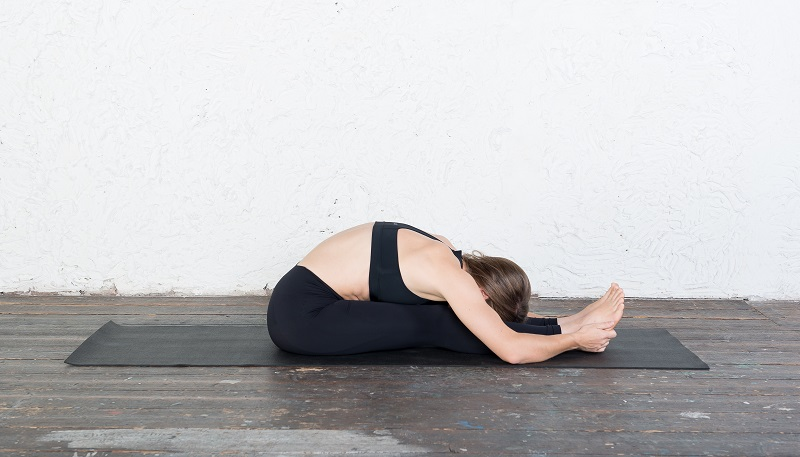
2. Paschimottanasana (Seated Forward Bend)
Why it works:
A gentle forward fold that encourages introspection and soothes the nervous system. It improves flexibility and enhances circulation to the abdomen and lower spine.
How to do it:
- Sit on the floor with legs stretched forward.
- Inhale, lengthen your spine.
- Exhale, fold forward from the hips, reaching toward your toes.
- Hold for 30–60 seconds, breathing deeply.
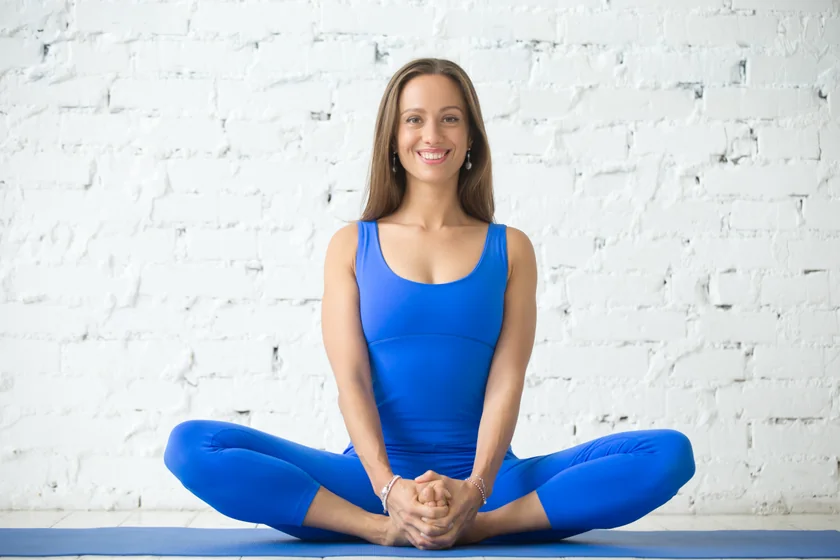
3. Baddha Konasana (Butterfly Pose)
Why it works:
Opens up the hips and improves blood flow to the pelvic region. This posture releases tension from the lower body and encourages relaxation.
How to do it:
- Sit upright with soles of the feet together.
- Hold your feet and gently flap your knees like butterfly wings.
- Breathe deeply and stay for 1–2 minutes.
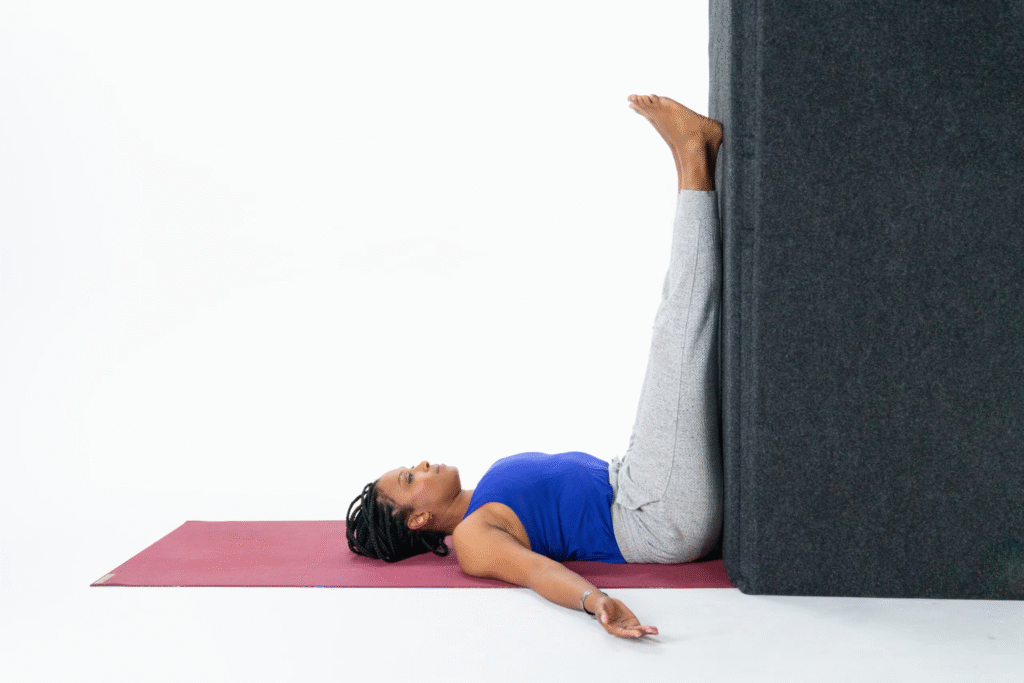
4. Viparita Karani (Legs Up the Wall Pose)
Why it works:
This semi-inverted pose boosts venous return (blood flow back to the heart), relaxes tired legs, and reduces stress. It’s one of the safest inversions for people with high BP.
How to do it:
- Sit sideways next to a wall.
- Swing your legs up as you lie down, keeping your hips close to the wall.
- Let arms rest by your sides, palms up.
- Close your eyes and breathe gently for 5–10 minutes.
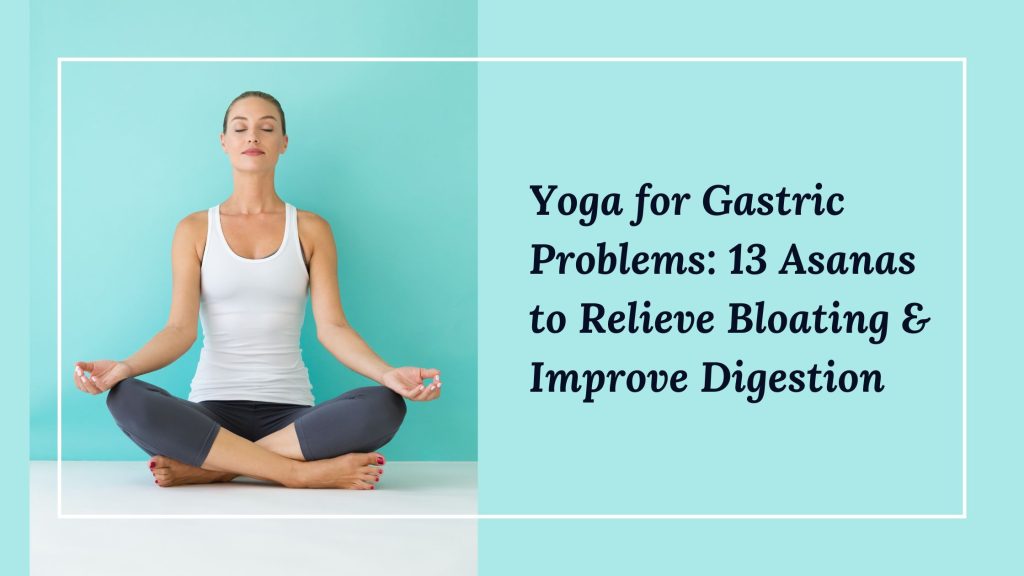
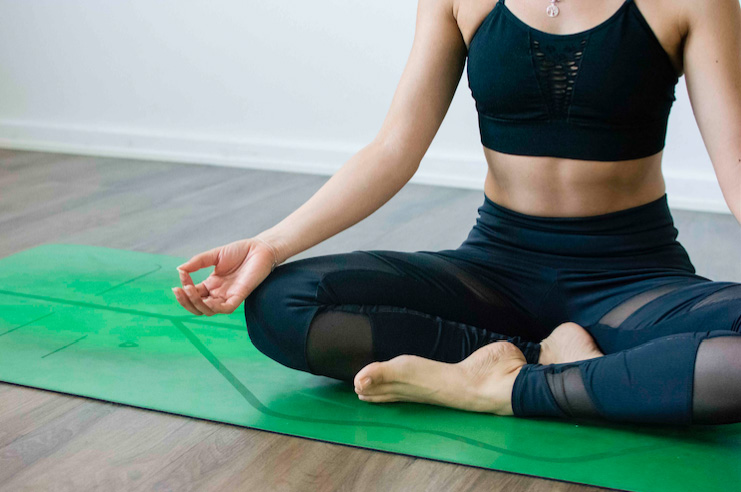
5. Sukhasana (Easy Pose) + Deep Breathing
Why it works:
This simple cross-legged position paired with mindful breathing reduces mental restlessness and stabilizes heart rate.
How to do it:
- Sit cross-legged on a mat or cushion.
- Keep your spine tall, shoulders relaxed.
- Inhale for 4 counts, exhale for 6 counts.
- Continue for 5–10 minutes.
6. Savasana (Corpse Pose)
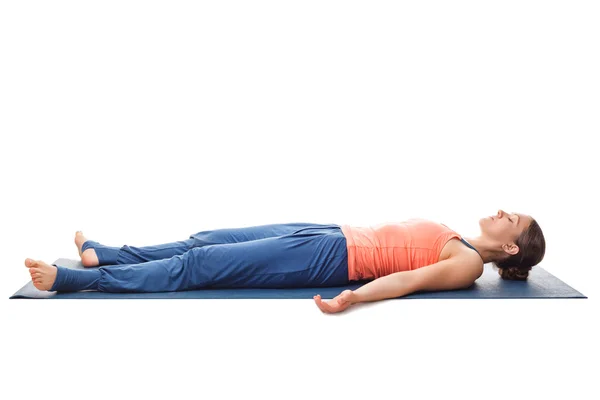
Why it works:
The final relaxation posture allows your body to integrate the benefits of the entire practice. It decreases heart rate, improves oxygen efficiency, and brings complete calm.
How to do it:
- Lie flat on your back, arms beside the body, palms up.
- Close your eyes and allow your breath to be natural.
- Stay for 10–15 minutes.
Pranayama for High Blood Pressure
In addition to asanas, breathing practices (Pranayama) play a key role in blood pressure control. They calm the mind, enhance oxygenation, and balance the nervous system.
Best breathing exercises:
- Nadi Shodhana (Alternate Nostril Breathing) – Balances both hemispheres of the brain.
- Bhramari (Bee Breath) – Reduces anxiety and lowers stress levels.
- Deep Abdominal Breathing – Strengthens the diaphragm and reduces sympathetic nervous response.
| Segment | Duration | Focus |
|---|---|---|
| Child’s Pose (Balasana) | 3 min | Grounding & calm |
| Butterfly Pose (Baddha Konasana) | 3 min | Circulation & hip opening |
| Seated Forward Bend (Paschimottanasana) | 3 min | Nervous system relaxation |
| Legs Up the Wall (Viparita Karani) | 5 min | Rejuvenation & heart rest |
| Easy Pose + Pranayama | 4 min | Deep breathing |
| Savasana | 5 min | Full relaxation |
Important Safety Tips
- Avoid strenuous inversions (like headstands) or intense backbends.
- Practice in a quiet, ventilated space.
- If you feel dizzy or light-headed, pause immediately.
- Practice regularly rather than intensely — consistency matters more.
- Combine yoga with a balanced diet, daily walks, and medical check-ups.
The Takeaway
Yoga is not just about flexibility — it’s about balance. A few minutes of mindful practice every day can help you reduce stress, support cardiovascular health, and gently lower blood pressure. Start small, breathe deeply, and let your body find its rhythm. Over time, you’ll notice more than just improved readings — you’ll feel calmer, clearer, and more connected.
Regular practice of these gentle yoga poses can significantly improve blood pressure control. If you’re new to yoga, guided sessions from Yogiva can help you learn the correct alignment and breathing techniques safely at your own pace.