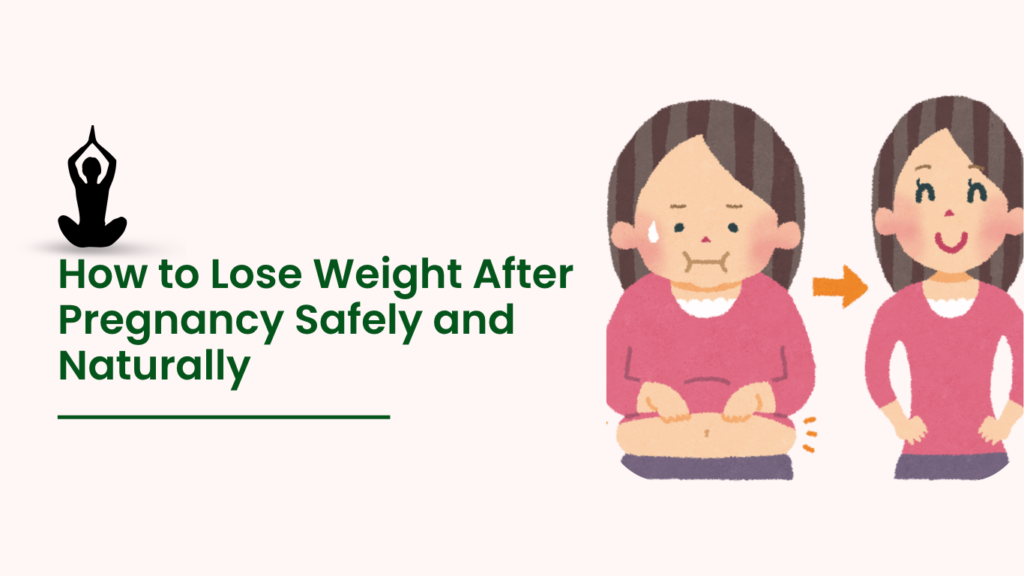
Giving birth is an amazing thing but it also means big changes to your body. Gaining weight during pregnancy is natural and necessary as your body is supporting the growth of your baby and preparing to give birth and breast feed. Many mothers are eager to get back to their pre pregnancy weight after delivery but it is important to know that this takes time.
- The journey of weight loss after pregnancy is different for every woman. Some mothers will lose weight steadily over a few months, some will take a year or more.
- Your body’s recovery rate depends on many factors such as your age, metabolism, hormonal changes, sleep quality, breastfeeding, diet and physical activity.
- Comparing your progress to someone else’s can create undue pressure and unrealistic expectations.
- If you’re looking for safe weight loss after pregnancy, remember that your first priority should always be recovery.
- Your body has been through almost 9 months of changes to support your growing baby and it takes time for healing to occur.
This guide explains everything you need to know about weight loss after pregnancy, including when you can begin, how your diet and exercise will impact on your progress, realistic expectations for recovery and practical postpartum weight loss tips that incorporate into your daily routine.
Whether you delivered vaginally or via Caesarean section, the goal is to get you to lose weight naturally without sacrificing your health or your baby’s well being.
Why Does Weight Loss After Pregnancy Take Time
A big misconception about postpartum recovery is that the extra weight will be gone in a few weeks. In reality, your body is still healing long after your baby is born. But child bearing is only part of the journey. Weeks and months later are equally important for healing.
- Hormones have a very important role to play in post pregnancy weight loss. Hormones like prolactin (which helps milk production) and cortisol (which is released with stress), can change during the postpartum time and affect appetite, metabolism and fat storage.
- More people know that sleep affects weight loss than many people know. Newborns feed often, especially in the first few months, so sleep without interruption is almost impossible.
- Lack of sleep can increase hormones that make you hungry, make you less energetic and make you crave foods with a lot of calories. Even the most disciplined of eating plans becomes a challenge when you are physically exhausted.
Another thing that is often overlooked is stress. Increased emotional stress can come from taking care of a new born, adapting to a new routine and recovering from child birth. Increased stress can lead to emotional eating or make it harder to stay active, slowing down weight loss after delivery even more.
For these reasons Patience is necessary. Instead of asking how fast can I lose weight, ask how can I help my body recover in the healthiest way possible. When you focus on nourishment, gentle movement and self care, gradual weight loss usually follows naturally.
How Long Does It Take to Lose Baby Weight
One of the first questions many new mothers ask themselves is How long does it take to lose baby weight. It’s a common worry, but there’s no one answer that works for everyone. Every woman’s pregnancy, delivery and recovery experience is unique, so weight loss timelines can vary greatly.
You will lose some weight immediately after you give birth. This is because you are no longer carrying the weight of the baby, the placenta and the amniotic fluid in your body. During this phase, many women lose between 4 and 6 kilograms, though the amount can vary from pregnancy to pregnancy.
The rate of recovery is influenced by several factors including
- Your weight before you were pregnant
- Weight gain in pregnancy
- Breast feeding
- Daily eating practices
- Levels of physical activity
- Sleep quality
- The genetics and the metabolism
- General health
Do not measure your progress by the weighing scale alone. You might get stronger, your energy levels might rise and your clothes might fit better even before you see significant changes in your weight. These are all good indications your body is healing well.
Forget about losing weight as fast as you can. Celebrate small improvements. Doing healthy habits well is far more valuable than quick results that are difficult to maintain.
When Is It Safe to Start Losing Weight After Pregnancy
Many mothers are eager to begin working on dieting and exercising within days of delivery. The motivation of losing weight after childbirth is understandable but it’s important to give your body enough time to recover. Early training may delay healing and increase the risk of injury.
In most cases, doctors recommend that you give your body time to recover before starting a structured weight loss after pregnancy plan. The exact timeline will vary depending on variables such as your delivery, overall health and if you had any complications.
If a woman has a straightforward vaginal delivery, she may be able to start gentle walking in a few days if she feels able. Walking increases circulation, lifts your mood and restores mobility without putting too much stress on the body.
A Caesarean section is a major operation and recovery from it is usually longer. Your abdominal muscles and incision need time to heal before you engage in more strenuous physical activity. Always listen to your doctor’s advice on exercising after a C section.
Why Crash Diets Are Not the Answer
New moms are often tempted to try restrictive diets in their quest to lose weight quickly. Unfortunately, these treatments are often not long term and can actually stall your recovery.
- Your body needs a steady supply of nutrients after the birth of your baby to repair tissues, restore energy and support everyday activities.
- If you are breastfeeding, your nutritional needs are even greater because your body is making milk for your baby.
- Cutting your calorie intake drastically can leave you feeling tired, cranky and hungry all day. It can also increase the chances of overeating later on, making it more difficult to stick to healthy eating habits.
- Crash diets can also leave you short of important nutrients like iron, calcium, protein and healthy fats. These nutrients are essential for postpartum recovery and general well being.
Rather than cutting out whole food groups or fad diets, aim for balance and variety in your meals and foods that are nutritious. This approach supports healthy postpartum weight loss and give your body the fuel it needs to recover properly.
Healthy Weight Loss as Opposed to Unhealthy Weight Loss
Understanding what a healthy habit is and what an unhealthy one is can help you to make better choices in your recovery.
| Healthy Approach | Unhealthy Approach |
| Eating balanced meals | Skipping meals |
| Losing weight gradually | Trying to lose weight rapidly |
| Drinking enough water | Replacing meals with fad drinks |
| Walking and gentle exercise | High intensity workouts immediately after delivery |
| Following medical advice | Copying celebrity diets or social media trends |
| Being patient with recovery | Expecting instant results |
The healthy way takes more time but it is much more likely to give lasting results while protecting your overall health.
Nutrition Plays a Bigger Role Than You Think
When it comes to weight loss after pregnancy, many women assume they need to eat less. The quality of your diet is far more important than simply eating less.
Your body is still healing from pregnancy and childbirth. It needs protein to rebuild tissue, calcium for strong bones, iron to replace blood lost during delivery and vitamins and minerals to restore your energy. If you are breastfeeding then your nutritional needs are even higher because your body is making milk each day.
Instead of worrying about what you can’t eat, focus on creating balanced meals that help you to stay satisfied for longer periods of time. This will eliminate the mindless snacking and provide your body with the nutrients it needs to heal.
What a good postpartum meal should contain
- Lean proteins such as chicken, fish, eggs, tofu or lentils
- Whole grains such as brown rice, oats or whole wheat bread
- Loads of colourful vegetables
- Fresh fruit for natural vitamins and fibre
- Healthy fats, nuts, seeds, olive oil, avocado
It is also important to eat balanced meals to keep blood sugar levels stable to avoid sudden hunger and energy crashes that often lead to unhealthy food choices.
Do Not Fear Healthy Carbohydrates
A huge mistake many new moms make is cutting out all carbs.
Your body uses carbohydrates as its main fuel. Frequent night feeds, broken sleep and the physical demands of caring for a newborn actually mean your body needs a steady supply of healthy carbohydrates.
Don’t cut out all carbs, just make smarter choices.
Good choices are oats, sweet potatoes, brown rice, quinoa, whole wheat rotis and fresh fruits. These foods contain fibre, which helps you feel full and release energy more slowly than sugary snacks or products made with refined flour.
The Importance of Protein
Protein is a must have in post pregnancy weight loss because it aids in recovery and weight management.
After you have your baby you need protein for repairing your muscles and tissues. It helps to preserve lean muscle as your body slowly burns fat.
Another benefit is that protein makes you feel full longer, so you can avoid unnecessary snacks between meals.
Try to include a good source of protein at each meal rather than the majority of it at dinner.
The plain ones are boiled eggs, Greek yogurt, paneer, dal, beans, grilled chicken, fish or soy products.
Hydration Supports Recovery
Water is often overlooked but has an important role in postpartum recovery.
Even mild dehydration can leave you feeling tired, hungry and less energetic. Many people confuse thirst with hunger and snack unnecessarily.
If you are breastfeeding you will need more fluids as your body uses water to make milk.
Carry a bottle of water with you during the day and sip on it often, before you ever feel thirsty.
Herbal teas, soups, coconut water and water rich fruits can also help you hydrate well.
Can Breastfeeding Help You Lose Weight
Many mothers think breastfeeding is the magic bullet for losing all the pregnancy weight.
The real story is a little more complicated.
Breastfeeding does burn extra calories, because it takes energy to make the milk. For some women, this contributes to gradual weight loss after delivery over several months.
Choosing the Right Exercise After Childbirth
Exercise is an important part of healthy postpartum weight loss, but should never be started before your body is ready.
Many women feel pressure to get back into high intensity workouts as soon as possible. Postpartum fitness is about regaining strength, not pushing your limits.
Start with what feels comfortable and gradually increase the intensity as you continue to recover.
Walking is one of the best places to start. It boosts your circulation, burns calories, lifts your mood and requires no special equipment. Even a 20 30 minute walk most days of the week can make a difference.
As you get stronger, you can start incorporating low impact exercises such as yoga, swimming, cycling or light resistance training with your doctor’s approval.
Do Not Ignore Your Core and Pelvic Floor
Pregnancy really does a number on your abdominal muscles and pelvic floor.
These muscles provide stability, support your spine and help control your bladder. After your baby is born, your abdominal muscles may need some time to recover before you attempt traditional ab crunches.
Jumping right into sit ups or high impact workouts could put you at risk for injury, especially if you’ve developed diastasis recti, a condition in which the abdominal muscles separate during pregnancy.
Instead, start with gentle rehab exercises that are recommended by your healthcare provider or physiotherapist. This gives a stronger foundation for future workouts as these muscles are rebuilt slowly.
Small Lifestyle Changes Create Lasting Results
Many mothers feel that they must have an ideal routine to achieve success.
But in fact, the small habits you do each day have a far greater impact than occasional bursts of intense activity.
Small changes, big effects
- Take your baby for a walk when the weather allows
- Make healthy snacks in advance of feeling hungry
- Skip sugary drinks as your go to beverage
- Chew your food well and stop when you feel full
- Ask family members for assistance so that you can rest or exercise
Each of these habits may seem like a small thing on its own, but together they add up to sustainable, safe weight loss after pregnancy.
Healthy Habits That Make a Difference
| Build This Habit | Why It Helps |
| Eat regular meals | Helps control hunger and maintain energy. |
| Include protein in every meal | Keeps you fuller for longer and supports muscle recovery. |
| Drink enough water | Prevents dehydration and supports overall health. |
| Walk regularly | Burns calories while improving cardiovascular fitness. |
| Prioritise sleep whenever possible | Helps regulate hunger hormones and supports recovery. |
| Be patient with yourself | Encourages long term success instead of quick fixes. |
Common Mistakes That Can Slow Weight Loss
The road to losing weight after childbirth is rarely a straight one. Some weeks you will have the motivation, some weeks you will be swamped with your newborn. That’s completely normal.
But some habits can make weight loss after pregnancy harder than it needs to be.
Creating Unrealistic Expectations
Many women expect to be able to wear their pre pregnancy clothes in a few months. But not for the majority of people.
Remember, your body has been adapting to pregnancy for almost 40 weeks so it is realistic and healthy to allow yourself several months to recover.
Meal Skipping
Busy days often mean meals are late or skipped altogether.
Unfortunately this can leave you ravenous later in the day, making you more likely to overeat or grab convenient processed foods.
Eating balanced meals at regular intervals helps keep energy levels steady and supports a healthy metabolism.
Dependence on Fad Diets
Detox drinks, miracle teas and restrictive eating plans may promise quick results, but seldom deliver lasting benefits.
Most of these methods are hard to keep up with and can sap your body of the nutrients it needs to recover.
Ignoring Sleep
All new parents know the struggle of sleep after childbirth.
You may not be able to sleep through the night, but it’s important to find time to rest. When you don’t get enough sleep regularly, it impacts hormones that control hunger and appetite, which makes it tougher to keep up with healthy eating habits.
Comparison to Others
It’s easy to get discouraged when you read about moms who seem to lose weight effortlessly.
What those stories often fail to show is the differences in genetics, lifestyle, support systems, medical history and even professional help.
Measure your progress against your own goals, not someone else’s journey.
When to See a Doctor
Healthy eating, staying active and taking time help most women lose pregnancy weight gradually. But there are times when professional medical advice is important.
Call your healthcare provider if
- You are losing weight but not in a healthy way
- You are very tired and this does not get better with rest
- You have severe pain or heavy bleeding when you exercise
- You’re noticing symptoms of postpartum depression, such as feeling sad all the time or not caring about normal things
- You are worried about your recovery from a Caesarean section
- You think you have a thyroid problem or some other health concern that might be affecting your weight
- Your doctor might want to do more tests to see if you have other health problems and treat them if you do
It’s always better to ask for help than to struggle alone.
Final Thoughts
The journey of weight loss after pregnancy is so much more than the number on the weighing scale. It’s a time to build your strength, fuel your body and make healthy habits that will benefit you and your family growing.
There will be days when it feels like you are moving slowly, especially as you adjust to sleepless nights and the demands of caring for a newborn. That is completely normal. There are several reasons why sustainable weight loss is rarely a straight line and a small setback should never discourage you from continuing your healthy routine.
The best way to go about this is with a combination of balanced nutrition, regular physical activity and adequate hydration and realistic expectations. These habits not only support weight loss after delivery but they also help improve your overall health, energy and confidence.
If you want to know how to lose baby weight naturally, remember that there is no shortcut better than patience and consistency. Every healthy meal, every brisk walk, every healthy lifestyle choice is contributing to your long term success.
And most of all, be kind to yourself along the way. Your body has done something amazing, brought new life into the world. Nurture it, feed it, give it the time it needs. With a balanced approach and the right support, safe weight loss after pregnancy is possible and it benefits your physical and emotional health.
Frequently Asked Questions
Is it safe to lose weight immediately after giving birth?
The first few weeks postpartum should be about recovery, not dieting. Healthcare professionals generally recommend waiting until your postnatal check up before starting a structured weight loss plan or more vigorous exercise.
What is considered healthy postpartum weight loss?
Once medically cleared, most women can safely lose approximately 0.5 to 1 kilogram per week. Slow progress is easier to maintain and allows your body to recover.
Can I lose weight without going to the gym?
Yes. Walking, light home workouts, stretching, and staying physically active throughout the day all contribute to healthy postpartum weight loss. Gym memberships are not as important as consistency.
Which foods should I avoid after pregnancy?
There are no forbidden foods, but it is wise to limit sugary drinks, highly processed snacks, deep fried foods and excessive sweets. Try to eat balanced meals, not completely cut things out.
Does breastfeeding always help with weight loss?
The other thing is that breastfeeding burns extra calories but not every woman is affected equally by it. Some moms lose weight faster, others hold onto weight until breastfeeding slows down or stops.
How long does it take to lose baby weight?
There is no time limit to how to lose baby weight naturally.
Some women get back to their pre pregnancy weight in as little as six months, while others can take a year or more. The trick is to go slowly and healthfully rather than to rush the process.