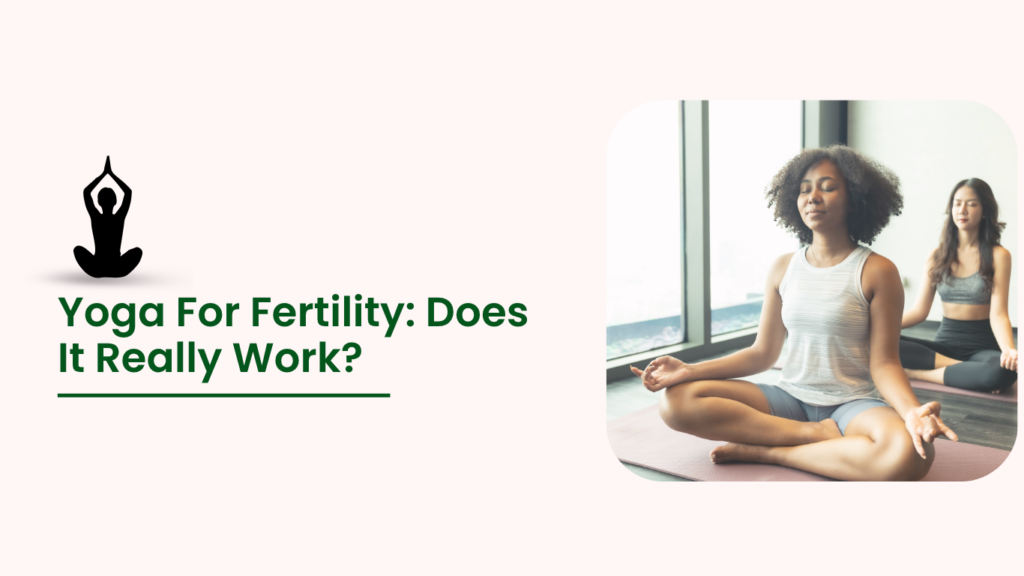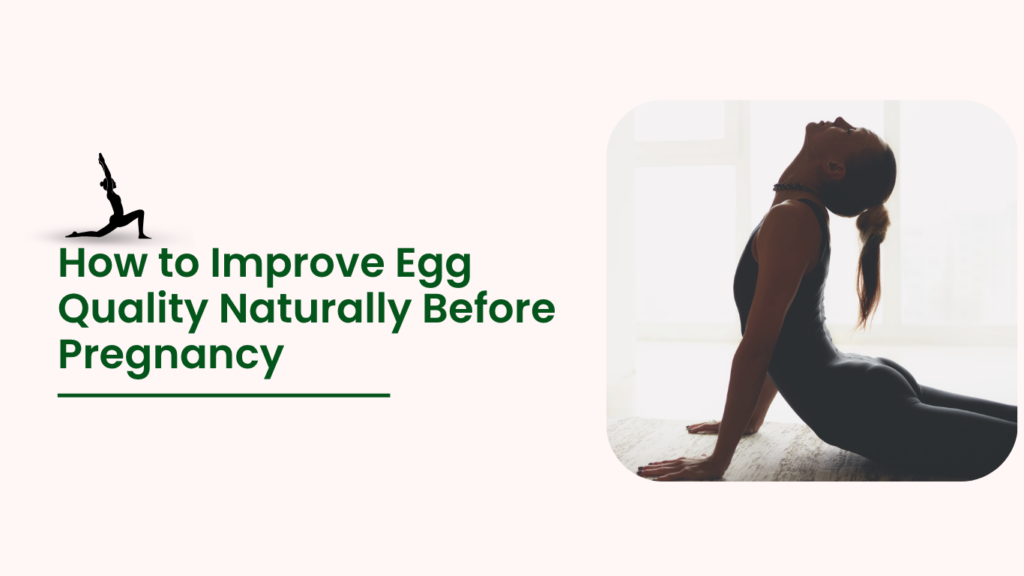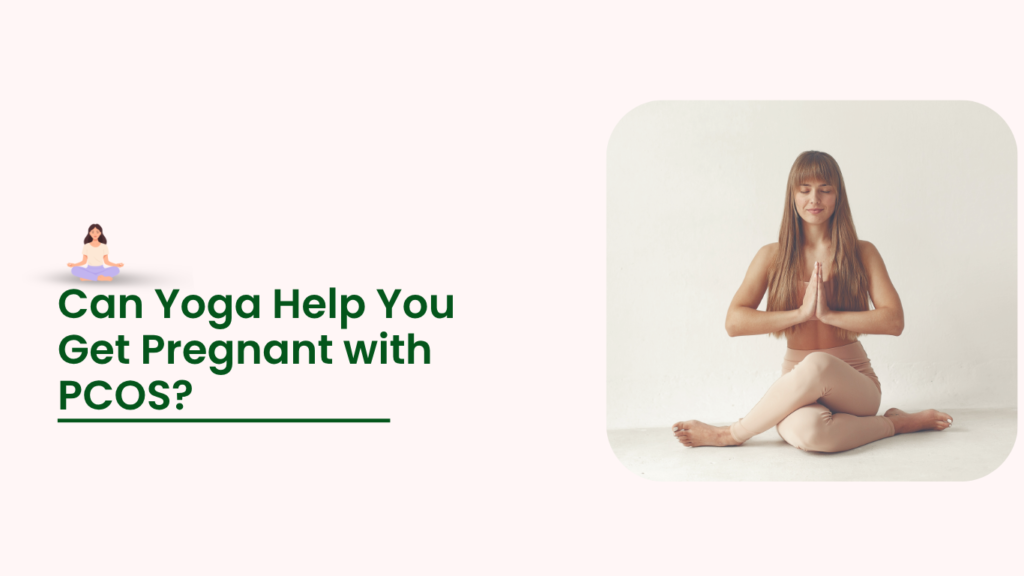
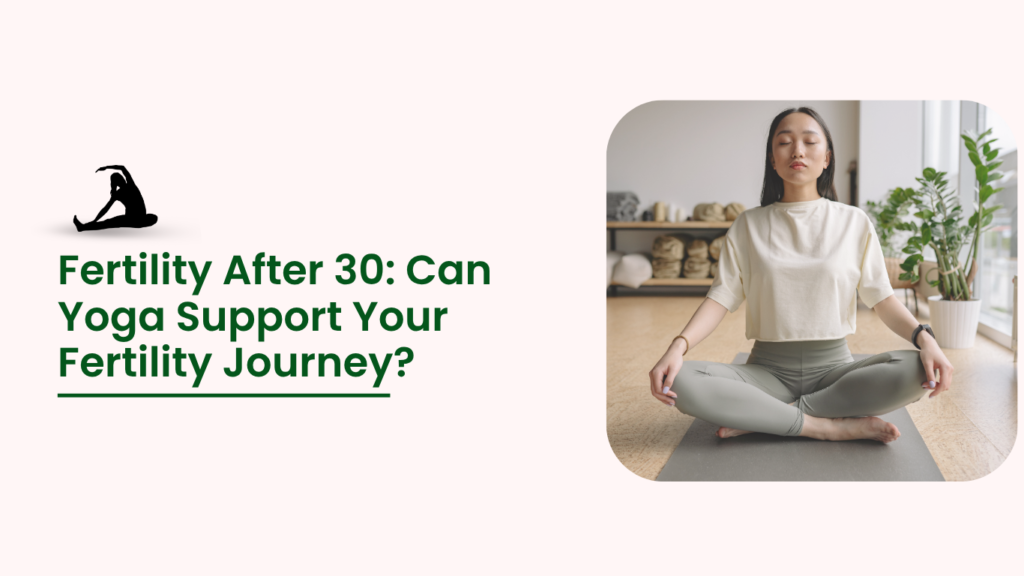
A woman’s life can change a lot when she turns 30, and some of those changes can affect her sexual health. A lot of women get pregnant on their own when they are in their 30s, but fertility can change over time. This can make many women think about changing their habits in ways that might be good for their health while they are trying to get pregnant. Fertility after 30 does not mean pregnancy is out of reach. It simply means paying closer attention to reproductive health, daily habits and overall wellness may become more important.
Yoga has become popular among women who are trying to get pregnant and want to stay active while dealing with the physical and mental stresses of the process. It includes slow, gentle movements, breathing exercises, and relaxation techniques. Yoga cannot guarantee pregnancy or fix medical problems that make it hard to get pregnant, but it can be a healthy part of a healthy lifestyle that helps your overall health.
If a woman tries yoga for fertility after 30, she should not focus on finding a specific pose that will make her pregnant. Yoga is only one part of a larger plan that includes healthy eating, regular exercise, enough sleep, medical care, and mental support.
How Fertility Can Change After 30
Age, ovarian reserve, ovulation, reproductive health, and general health are some of the things that affect a woman’s ability to have children. In most people, fertility after 30 slowly drops, and the change becomes more obvious by the end of the decade. This does not mean that all women will have trouble getting pregnant after age 30.
The number and quality of eggs naturally change as they age. As women get older, they may also find it harder to predict when they ovulate. Endometriosis, fibroids, thyroid problems, polycystic ovary syndrome, and previous problems with reproduction can also make it hard to get pregnant.
For people over 30 who are thinking about getting pregnant, knowing about their own reproductive health may be more helpful than their age alone. If a woman has regular periods and no known problems with her reproductive health, her fertility may be very different from that of a woman who has irregular ovulation or another medical condition.
Yoga cannot change how eggs change with age or increase ovarian reserve. But it might help with physical and mental health during the process of getting pregnant.
Can Yoga Support Fertility?
The link between fertility and yoga is more about overall health than a direct way to treat fertility. Yoga pushes you to move, breathe deeply, and calm down. These habits can help women create a regular health plan.
Trying to get pregnant can sometimes be very hard on your emotions. It can be stressful to keep track of your periods, plan sexual activity, go to checkups, and think about getting pregnant every month. If you do yoga regularly, you might find time to slow down and pay attention to your breath and body.
Some types of yoga can also help with mobility, flexibility, and muscle strength. It might be especially helpful for women who sit a lot during the day or do not do much physical exercise.
Remember to keep your goals in check. There is not a lot of proof that yoga can help a woman get pregnant if she already has a medical problem with her fertility after 30. If you need medical care, yoga should not be a replacement for it.
Why Yoga Can Help With Fertility: How Yoga Can Help With Fertility
Yoga is good for reproductive health because it lowers stress, increases blood flow to the pelvic area, and keeps hormones in balance. Stress and chemical instability can make it harder to get pregnant. Yoga is a natural way to help your body and mind while you are trying to get pregnant.
- Lessening stress and how it can help reproductive health
- Keeping hormones in check by relaxing the nervous system
- How your lifestyle affects pregnancy and getting pregnant
Can Yoga Improve Ovulation?
It is not advisable to advertise yoga as a direct way to increase ovulation. Several hormones and reproductive processes work together to make ovulation happen.
Some women may have periods that do not come on time because of health problems like polycystic ovary syndrome, thyroid problems, or other issues. If you have one of these conditions, you should not rely on yoga alone.
In general, for fertility after 30, a yoga routine may be good for your physical and mental health. Still, it should not be used instead of checking for irregular periods or other signs of a possible fertility problem.
Women who notice big changes in their monthly cycle should talk to a doctor or nurse about them.
Yoga Practices That May Fit Into a Fertility Routine
A yoga practice that focuses on fertility does not have to be hard on the body. If the goal is to relax and feel better overall, gentle, mild routines may be better.
Child’s Pose
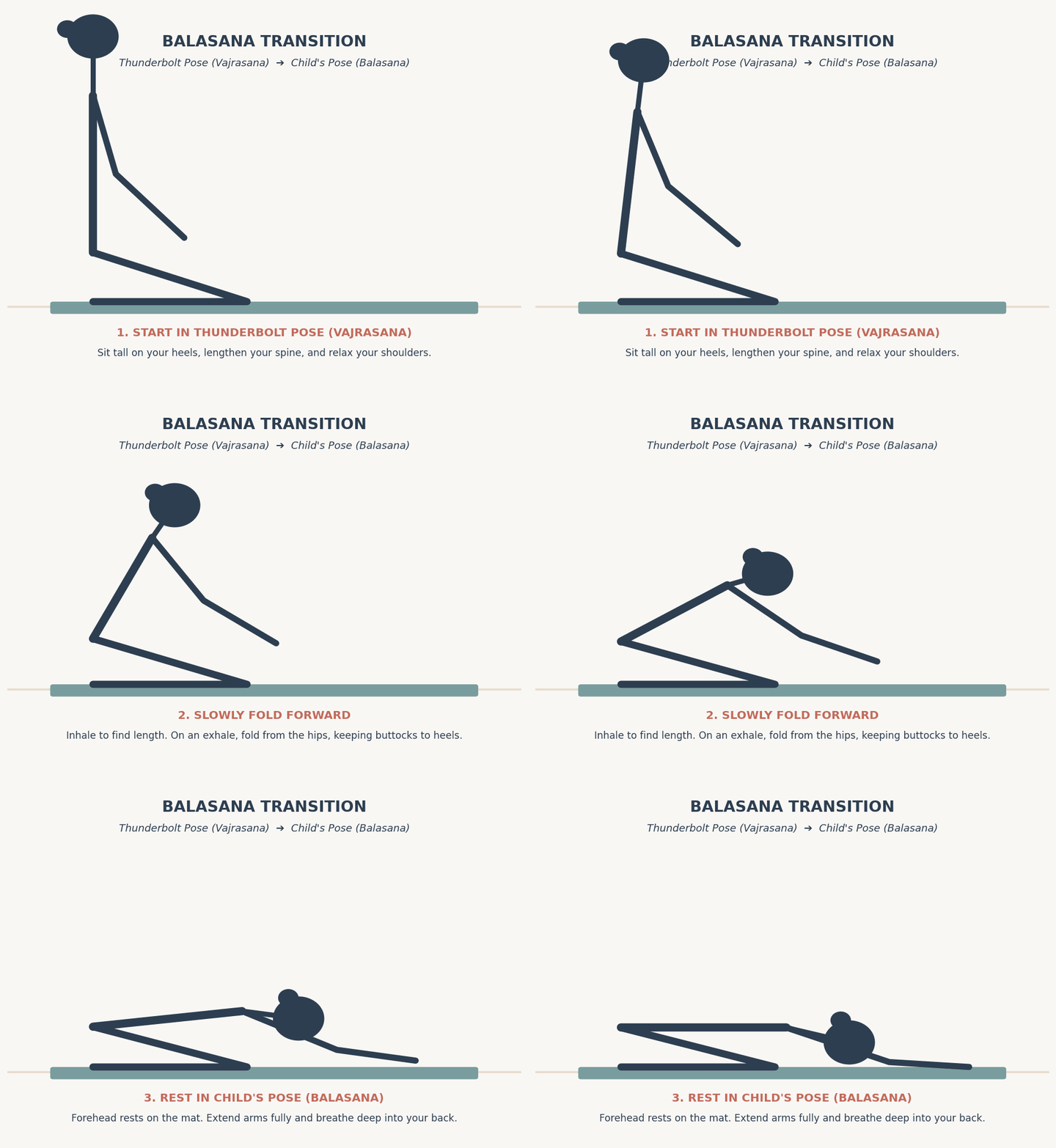
In a gentle yoga lesson, you can do Child’s Pose as a way to rest. It calms the body and makes you breathe more slowly. If a woman has problems with her knees or hips, she may need to change her position.
Cat-Cow Movement
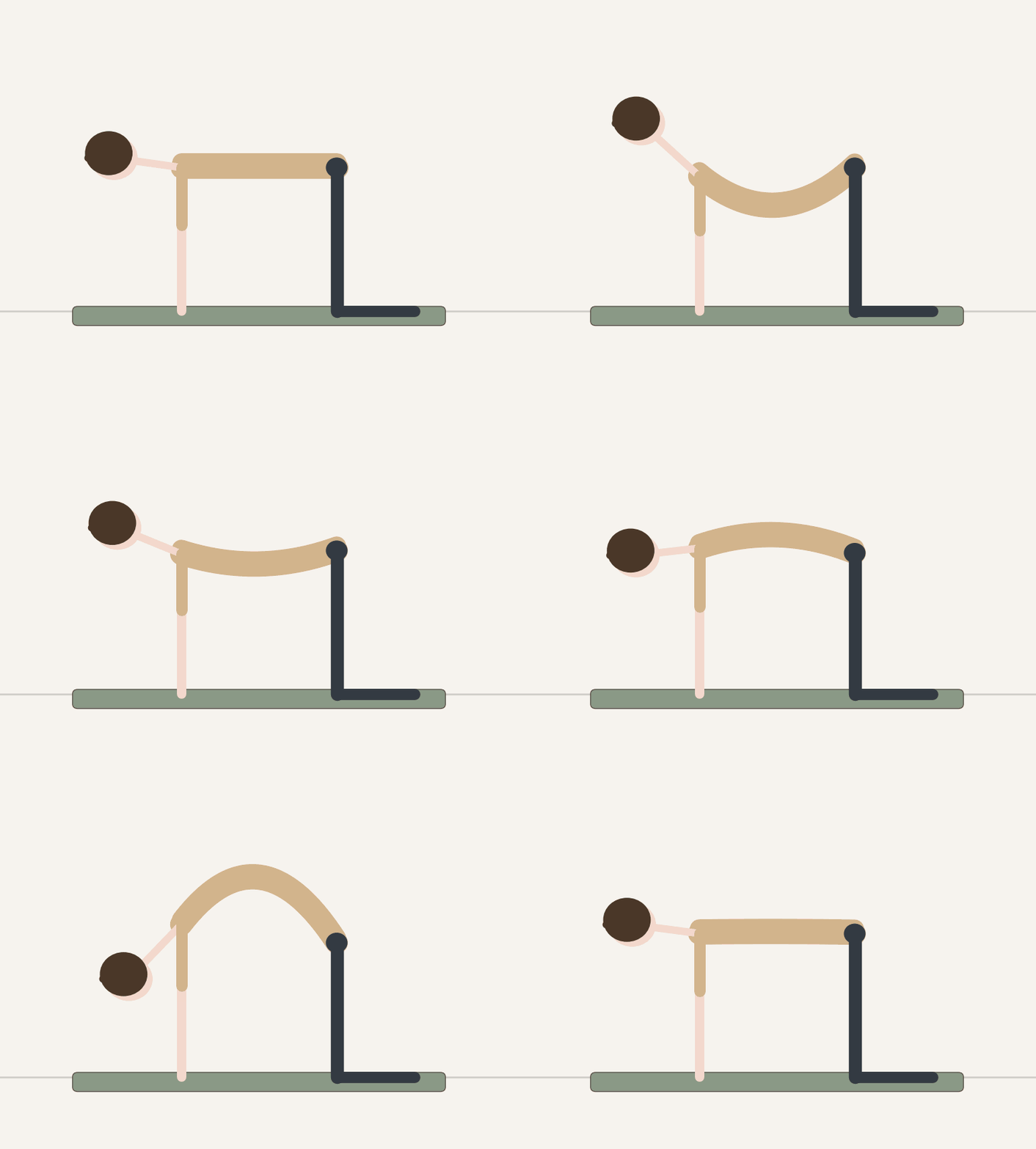
In cat-cow, the neck moves slowly back and forth. It can help you become more aware of your body and give you some light mobility after sitting for a long time.
The Bound Angle Pose
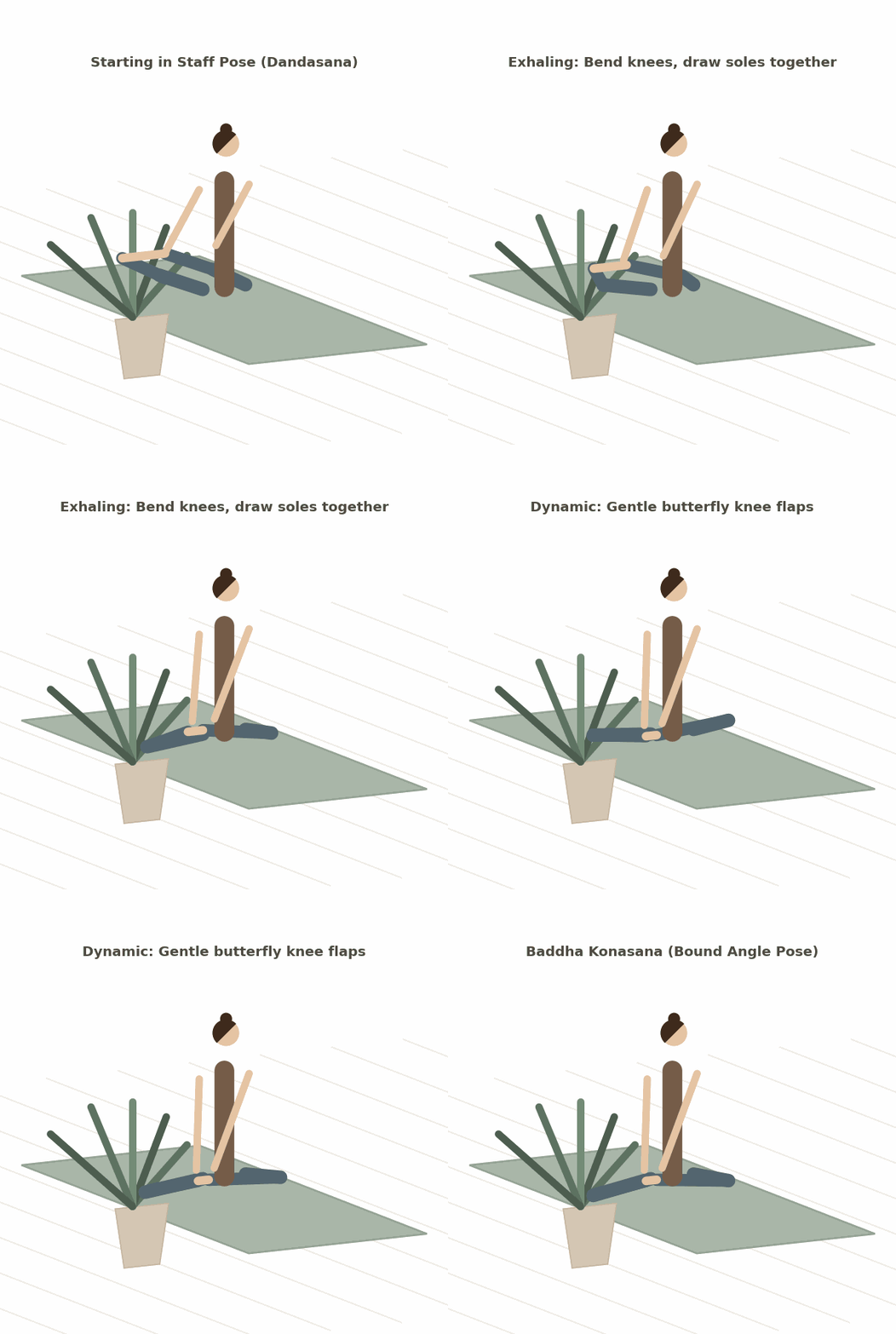
Bound Angle Pose is often a part of gentle yoga routines that focus on the hips and pelvis. Instead of being demanding, it should feel good. You do not have to bring your knees down to the floor.
Legs Up the Wall
These healing poses let the body rest while the legs are leaning against a wall. Some women like doing it after yoga because it makes them feel calm. People who have health problems that make supported or inverted positions unsafe should talk to a doctor before doing them.
Breathing Exercises
You can do slow breathing on its own or along with yoga poses. Focusing on a steady breath for a few minutes can be a simple way to relax without doing a lot of hard exercise.
Comfort and regularity should be the goal. There should never be any pain, over-stretching, or hard physical work in a fertility yoga exercise.
How Yoga May Support Reproductive Wellness
Yoga for reproductive health is best understood as a wellness practice rather than a medical fertility treatment.
Regular activity can support your overall health, and a healthy lifestyle is important for your sexual health. Yoga can also help you become more aware of your breathing, stance, and muscle strain.
Some women use yoga to make self-care a regular part of their lives. This could be very helpful during a time when a lot of attention is on getting pregnant.
Yoga might also help women pay more attention to their bodies. Being aware of this can help you sleep better, move more mindfully, and manage daily stress in a healthy way.
But sexual health is more than just the way you live your life. If there are problems with ovulation, the fallopian tubes, the uterus, sperm health, or other reproductive issues, you may need to see a doctor and get treatment.
Key Benefits of Yoga for Women Over 35 Who Are Trying to Get Pregnant
Better control of hormones
Regular yoga practice helps keep luteinizing hormone (LH) and follicle-stimulating hormone (FSH) levels in check. Some yoga poses, like gentle bends, forward folds, and inversions, can help the pituitary and thyroid glands work better, which can make periods run more smoothly and eggs mature faster.
Less stress and better emotional strength
Having trouble getting pregnant after age 35 can be very stressful. Using restorative stretches and pranayama (breathing exercises) can help relieve stress, lower worry, and build mental strength, which is very important if you can not get pregnant right away.
Core and pelvic floor strength
Strong pelvic floor muscles help keep the uterus in place and keep blood flowing to the reproductive organs. Bridge (Setu Bandha Sarvangasana) and Goddess (Utkata Konasana) are poses that work on these areas and tone them gently without making you too tired.
Better sleep and health in general
Not getting enough sleep can mess up your pregnancy factors. A short evening yoga sequence can help you relax your body and mind, which can make it easier to fall asleep and sleep well. Getting more rest is good for your health and can help with reproduction.
Advice on how to do yoga safely and well
- Pay attention to your body.
- No matter what age, pushing yourself past your comfort zone can be harmful. If a pose hurts or makes you feel uncomfortable, take a break or try a different, less intense one.
- Pay attention to your breath.
- Diaphragmatic breathing, or taking deep, slow breaths, can help calm the nervous system and better connect the mind and body. This is especially important for people over 35 who are practicing pregnancy yoga.
- Set up a regular schedule.
- It can help to practice every day, even for ten minutes. Set a regular time for your session, like first thing in the morning or right before bed, to make it a habit that will last.
- Lifestyle choices should go with yoga.
- To support your yoga practice, eat well, get enough sleep, and learn ways to deal with stress, like journaling or meditation. Wellness that is holistic is more than just yoga.
Building Healthy Habits While Trying to Conceive
A lot of women who are trying to get pregnant look for natural fertility support to help them get pregnant. Yoga can be part of that approach, but it needs to be presented realistically.
No one food, exercise, supplement, or yoga pose will always help you get pregnant. Fertility rests on several biological factors, and each person needs to take a different approach.
A smart fitness plan focuses on habits that support your overall health and does not promise that one habit can cure infertility.
Flexible yoga can be helpful. A woman can pick from gentle movements, breathing routines, or healing activities based on what feels good to her and how fit she is.
The goal is not to force the body to get pregnant. Instead, it is to improve health and make a better habit during a very important time in life.
When to Seek Fertility Advice?
Age might affect when to discuss fertility with a doctor.
12 months of frequent unprotected sexual activity without pregnancy usually leads women under 35 to seek infertility assessment. Evaluating women 35 and older after six months is typical.
Not all women must wait this long. When irregular or missing periods, reproductive disorders, pelvic surgery, recurring pregnancy loss, or other issues exist, earlier medical counsel may be required.
A fertility after 30 test may include medical history, menstrual cycles, ovulation, and testing. As fertility includes both spouses, an examination may also include male reproductive health.
Professional advice does not always indicate a problem. It merely allows for understanding particular conditions and considering solutions.
Yoga with fertility treatment
Women taking drugs or utilizing assisted reproductive procedures may practice yoga, albeit with modifications.
Hormonal adjustments, injections, monitoring sessions, and surgeries are possible treatment cycles. Cycles may affect the body differently. Some ladies can move gently, while others may avoid particular activities.
Any fertility patient should follow their specialist’s physical activity advice. Qualified yoga instructors who understand reproductive therapy may alter practices.
Physical safety should always come first, not sequencing.
Conclusion
Being more aware of your reproductive health can help you getting pregnant after 30, but that does not mean you cannot get pregnant. Fertility is different for each woman, and age is not the only thing that can affect getting pregnant.
In this process, yoga can be helpful because it helps with relaxation, body awareness, and mental health. You should not think of it as a way to treat infertility or a promise of getting pregnant. Instead, it can support good habits and help you get the right medical advice.
Yogiva has online yoga programs for women who want to make yoga a daily part of their health habits. These include classes that focus on fertility yoga after 30, as well as guided lessons, meditation, and other health practices. Because it is online, women can practice from home with the help of yoga teachers.
When paired with healthy eating, enough sleep, and regular professional advice, a regular and relaxed yoga practice can really help you along the way. If you do it the right way, yoga can help you take care of your body and health while you are trying to get pregnant.