
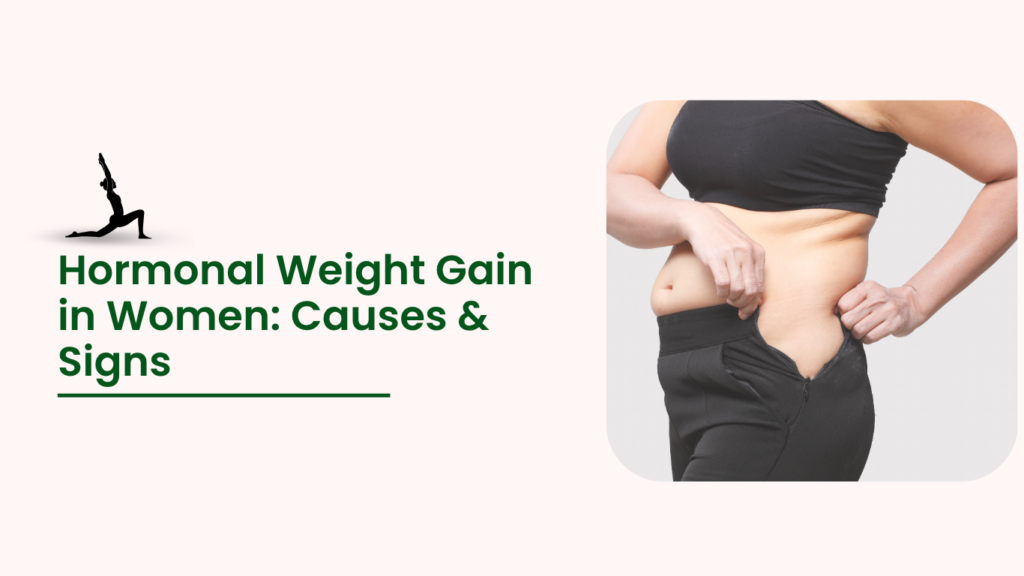
Whenever you check your weight, you are shocked to see that you are gaining weight considerably. Even after eating healthy food and exercising regularly, your weight keeps increasing.
When you gain extra pounds in your body, your outfits do not fit properly. Not being able to wear your favourite outfit makes you upset. Moreover, gaining weight every month seems frustrating for you.
Hormones are vital for females, as they play an important role in metabolism, appetite, and body weight. It is where the body stores fat. When you notice increased weight, you cannot blame hormonal weight gain at all times. If your weight gain is not due to unhealthy food, then it can be due to hormonal issues.
In this blog, you will come to know how hormones impact your weight, the causes, and how you can manage weight gain.
Know In Brief About Hormonal Weight Gain
Hormonal weight gain in women is basically a change in weight that is due to shifts in hormones. These shifts in hormones can also be due to various factors such as:
1. Fat storage.
2. Imbalance in fluids.
3. Imbalance in metabolism and appetite.
4. Insulin imbalance.
Unfortunately, females go through hormonal fluctuations from puberty to menopause. In every stage of life, imbalanced hormones show up. As a result, hormonal imbalance and weight gain go hand-in-hand in adult females, irrespective of adopting healthy lifestyle habits.
It has also been noticed that if a woman suffers from thyroid issues or if she is diagnosed with PCOS, it is possible that these factors can be responsible for weight gain.
Weight gain that is due to fluctuations in hormones can be recognised by way of imbalance in menstrual cycles. Your periods will either be irregular, last longer days or periods may have shorter days. Unstable periods can make you gain weight. Irregular periods or skipped periods are also a sign of imbalanced hormones.
You can also read Why Your PCOS Weight Isn’t Dropping
Are Hormones Important?
Yes. Hormones are important for your body. The endocrine system makes hormones that pass through the bloodstream. They keep various bodily processes in check.
Which bodily processes are kept under control?
- Mood and reaction to stress
- Hunger and appetite
- Reproductive health
- Metabolism
- Consumption of energy
- Sleep habits you adopt.
It has been noticed that your body weight is influenced by hormonal imbalance. It is necessary to know that hormones store energy and unwanted body fat.
How Will You Know You Are Gaining Unwanted Weight Because Of Imbalanced Hormones?
Signs of hormonal weight gain include:
1. Stubborn Belly Fat:
When you go through hormonal fluctuations, fats collect in the surroundings of your abdomen. If your cortisol levels are high or if your estrogen is imbalanced, you experience persistent belly fat.
2. Cravings For Sugary Foods:
When Leptin and ghrelin hormones are not in balance, you experience cravings for sugar. It is possible that you may experience excess hunger.
3. Unnecessary Weight Gain:
If your weight is increasing even after making changes in diet, it can be due to unstable hormones. Metabolic hormones will not work properly, which in turn slows down the ability to burn calories.
4. Missed Menstruation:
Skipped menstrual cycles imply that your hormones are not balanced. PCOS is responsible for missed ovulation. As a result, you gain weight.
5. Sleep Issues:
Your sleep cycle is controlled by hormones. When there is an imbalance in melatonin or cortisol levels, you will not get sound sleep. If you do not sleep for consecutive nights, you will experience weight gain.
What Leads To Hormonal Weight Gain?
Causes of hormonal weight gain are:
A) Thyroid disorders
B) PCOS
C) Hormonal changes during menopause
D) Insulin resistance.
Which Hormones Are Responsible For Weight Gain?
Hormones that cause weight gain are as follows:
Thyroid Hormone:
Your metabolism is controlled by thyroid hormone. If your thyroid hormone is low, metabolism will work slowly, which can result in weight gain later.
Estrogen:
Estrogen hormone distributes fats in the body of a woman. When this hormone is imbalanced in PCOS, women tend to become fat, and they gain weight. PCOS and weight gain are linked to each other.
Leptin And Ghrelin:
The aforesaid hormones play an important role in controlling hunger. These two hormones keep your tummy full. When these hormones are imbalanced, you get hungry on and off, which leads to increased weight.
Cortisol:
The name of the stress hormone is cortisol. When cortisol levels are too high, the hormone starts storing fat in your upper or lower abdomen. Cortisol and weight gain are correlated.
Insulin:
When your blood sugar levels are normal, it is due to proper insulin levels. If your insulin levels are improper, it starts storing fat, which in turn makes you gain weight.
Are There Ways To Manage Hormonal Weight Gain?
If you are thinking about how to manage hormonal weight gain, read through the points mentioned below.
1. Opt For Protein:
Eat 30 grams of protein through non-vegetarian items per day, which will help save lean mass and provide you with a satisfying meal.
2. Regulate Blood Sugar:
It is necessary to stabilize blood sugar by not eating sweet-based products. Consume nutritious foods as much as possible. Include flaxseeds and salmon in your diet. This will help you produce hormones and regulate insulin levels.
3. Practice Stress-Reduction Techniques:
Reducing cortisol levels is easy. All you have to do is to spend some time in nature, do meditation and yoga, along with deep breathing.
4. Ditch Processed Foods:
Stop eating snacks such as chips, burgers, and other processed snacks. Keep refined carbs away from your diet. Stop consuming sugary beverages and other sugar-based drinks. By doing this, your insulin levels will be in check and will not let you store fat in your body.
5. Sleep Well:
Keep the fullness hormone and hunger hormone under control by enjoying quality sleep for nine hours at a stretch.
6. Keep Yourself Active:
Go for a walk or do exercises and workouts for half an hour. This will help burn calories and will also keep your insulin levels balanced.
Final Thoughts
Weight gain in women leads to various health issues in the long run. From cardiovascular issues to high blood pressure and high cholesterol, various health ailments can affect women at any age. Keeping weight in check, which can be affected by hormonal changes, is necessary so that you can live a life where you will not have to suffer from health disorders.


