Many beginners feel anxious about trying a new activity, and yoga is no exception.
You may have many self-conscious thoughts like, ” Am I flexible enough to do yoga? What if I can’t do the poses? Will people judge me if I’m not good at it? Do I need to buy any special equipment?
As a yoga trainer, I hear many beginners’ concerns. But I can assure you, to do yoga you don’t have to be flexible, and you don’t have to have any prior experience with it.
Yoga is an amazing journey to help you understand your body, breathing, and ultimately your consciousness. It can help you still your mind.
As you begin to appreciate the many benefits of yoga, you’ll realize that making time for a class is absolutely worth it.
If you have time management issues or think making time for a class will be difficult, an online class can help you ease into this new and incredible way of life from the comfort of your home.
You can also find a wide variety of other online yoga resources that will help you on this path, for free.
You’ll be amazed to find that countless benefits of yoga are waiting for you to discover them!
Sadhguru says, “Yoga” is not about bending and twisting your body or holding your breath. It is a mechanism and a technology to get you to that state of experience where you see reality just the way it is” The word “Yoga” literally means “union.
Online Yoga Classes for Beginners: At a Glance
| Question | Answer |
|---|---|
| Can beginners do online yoga classes? | Yes |
| Do I need experience in yoga? | No |
| Is flexibility necessary? | Flexibility is needed. If you have that is a good thing; if not, it can develop with regular practice |
| Can classes be taken from home? | Yes |
| Do I need expensive equipment? | No equipment is required; you just have to be available |
| Can I learn with a live instructor? | Yes, with live online classes, it is easy to learn |
| Are group classes available? | Yes |
| Are personalized classes available? | Yes |
| Does Yogiva offer demo classes? | Yes, Yogiva offers 2-day free Demo Classes |
What Is Yoga for Beginners Really About?
Many people imagine the most complicated and least achievable poses when they imagine yoga. These poses aren’t a good starting point for beginners.
Basic yoga classes cover the foundations of the practice.
You learn to incorporate the practice into your daily life. This includes integrating the principles of yoga into your everyday actions, movements, and interactions.
You learn to synchronize movements with the flow of your breath. Practice basic yoga poses to increase your body awareness and posture alignment.
You are allowed to take breaks as needed. You do not need to hold difficult or uncomfortable poses.
The ultimate goal of your practice is to achieve comfort with the poses and practice itself.
Can Beginners Learn Yoga Online?
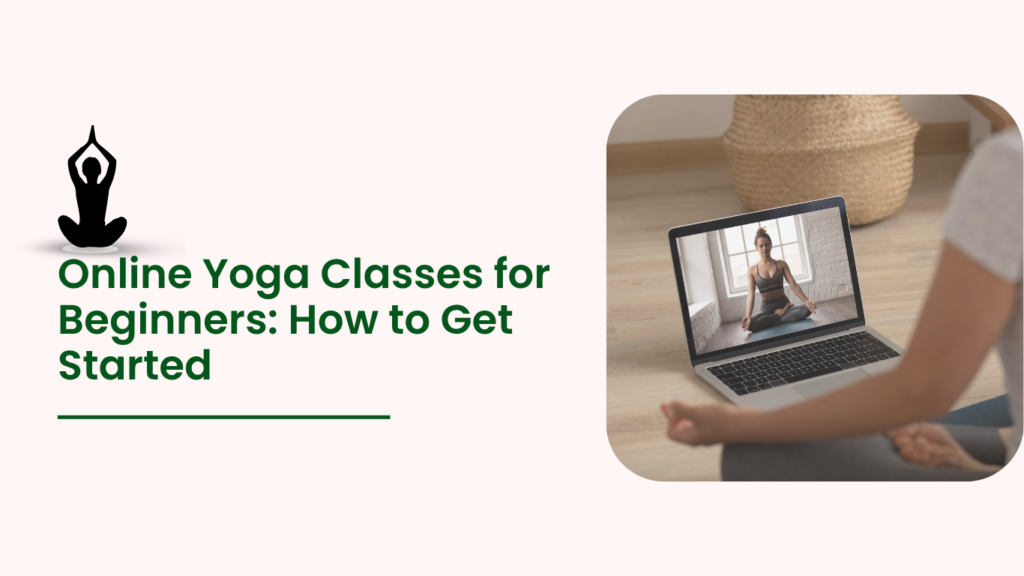
Yes, beginners can learn yoga online. Here, I would suggest they should go for live classes instead of recorded classes, because in live classes, experiences tariner will be there and can correct mistakes then and there if they notice.
A live online yoga class allows you to follow the instructor in real time. You can listen to instructions, watch demonstrations, and ask questions when something isn’t clear.
For some beginners, practicing at home can also feel more comfortable than joining a studio for the first time.
However, online yoga shouldn’t mean simply copying everything you see on a screen.
As a beginner, you should learn to listen to your body. If a movement causes pain or doesn’t feel right, stop and ask your instructor for guidance or a modification.
Yoga should meet you where you are.
What Do You Need to Start Online Yoga?
You don’t need any fancy things or equipment to start yoga. As a beginner, you need to have certain simple things ready before starting:
- A good-quality, anti-slip yoga mat
- Wear comfortable clothes that will allow you to breathe (preferably pure cotton)
- Enough space to stretch your arms and legs
- A phone, tablet, or computer (Go with a larger-screen device so that you see it properly and follow the instructions)
- A stable internet connection
- A quiet and comfortable place to practice
That’s it.
If you later discover that you enjoy yoga and want to deepen your practice, you can explore additional equipment such as blocks, straps or bolsters.
But when you’re beginning, don’t let equipment become a reason not to start.
Do You Need to Be Flexible to Start Yoga?
No. If you have, then it’s a good thing, but if you don’t have there is nothing to worry about; it can develop with practice.
Keep in mind that it’s perfectly normal to have zero flexibility or experience with practicing yoga, so please don’t let that be the deciding factor as to whether or not you start practicing.
This is a common myth about yoga. Many believe you need to have a certain level of flexibility to practice yoga. In reality, many people start practicing yoga to work on their flexibility.
There are multiple factors that determine your flexibility, including genetics, your age, how active you are, and your experience.
Many people start practicing yoga with the goal of increasing their flexibility. With time and consistent practice, you may notice improvements in your flexibility too.
How Often Should a Beginner Do Yoga?
Everyone has different lifestyles and commitments. Therefore, the best way to determine how many times a week you should practice is to consider what is realistic and what you will be able to stick to.
You should be consistent with your practice, but be realistic. A consistent and realistic practice may be better for you than an extremely inconvenient and long practice.
When are you most likely to practice? You may be able to practice in the mornings before work, during your lunch break, or after work.
Ask yourself:
When am I most likely to practice?
- Maybe it’s early in the morning before work.
- Maybe it’s during your lunch break.
- Maybe evening classes fit your schedule better.
Choose a time that works for your life rather than trying to copy someone else’s routine. But keep one thing in mind: yoga should always be done on an empty stomach, so whenever you plan to do it, your stomach should be empty or partially empty.
What should I expect in my first online yoga class?
You may feel slightly uncomfortable because you are unfamiliar with the process, but after few classes, the process will be clear.
The focus of each session will vary. There will be:
- Techniques to center yourself
- Simple warm-up activities
- Yoga postures
- Other activities and practices
- To relax and/or calm yourself
You may observe your instructor model a posture, after which she/he will explain and demonstrate how to achieve the posture. You are not required to memorize the names of the postures. You will learn the activities and practices and become familiar with the concepts.
Which Yoga Poses Are Suitable for Beginners?
Beginners don’t need to learn dozens of poses at once. It’s better to understand a few foundational postures and movements properly. Depending on your individual needs and the guidance of your instructor, your practice may include:
Mountain Pose — Tadasana
A simple standing posture that can help you become more aware of your posture, balance and breathing.
Cat-Cow — Marjaryasana-Bitilasana
A gentle movement that helps beginners become familiar with moving the spine with the breath.
Child’s Pose — Balasana
A commonly used resting posture that can provide a comfortable pause during a yoga session.
Bridge Pose — Setu Bandhasana
A posture that introduces controlled movement through the hips and spine while engaging the body’s muscles.
Easy Pose — Sukhasana
A simple seated position often used for breathing, meditation or beginning a practice. Remember that even a beginner-friendly pose may need to be modified depending on your body and circumstances. If you have an injury, medical condition or other physical limitation, discuss it with your instructor before practicing.
What Is the Ideal Time to Practice Yoga?
No time is ideal for practicing yoga for everyone. The ideal time is the time which one can follow continuously
Morning yoga
Some people enjoy practicing in the morning because it gives them quiet time before the day becomes busy.
Evening yoga
Others prefer an evening practice because it gives them an opportunity to slow down after work or other responsibilities.
Try both if you’re unsure. After a couple of weeks, you may naturally discover which time works best for you.
How Do You Choose the Right Online Yoga Class?
Nowadays, it’s hard to choose the right online class from the countless options available. To help you, I’ll explain a few points.
Is it Beginner Friendly?
Not all the classes mention the experience level of the expected students, so you may have to judge the level by yourself.
Is it Live?
In case you want a teacher to direct you in person in every step, you should look for live classes.
Does it Explain Modifications?
A beginner class should explain modifications to students to account for differences in student anatomy.
Does it Fit Your Schedule?
You should practice at a time that gives you the maximum chance of being regular.
Live Online Yoga Classes vs Recorded Videos
Both live and recorded yoga sessions can have a place in your practice, but they offer different experiences.
| Live Online Yoga Classes | Recorded Yoga Videos |
|---|---|
| Instructor teaches in real time | You practice independently |
| You can ask questions during class | No real-time interaction is possible as classes are recorded |
| Need to be present at a scheduled time | Practice whenever convenient |
| Instructor can rectify your mistakes | You need to choose modifications yourself |
| Creates a regular class routine | More flexibility in timing |
If you’re a beginner who appreciates structure and interaction, a live class can make the learning process easier.
Common Mistakes Beginners Make
Through my experience teaching beginners, I’ve noticed a few mistakes.
Trying to Be Perfect
Yoga isn’t a performance. It’s not the goal of practice to achieve your instructor’s poses.
Pushing Through Pain
A challenging stretch and pain are not the same thing. If something causes sharp, sudden, or unusual pain, stop and seek appropriate guidance.
Comparing Yourself With Others
Someone else’s flexibility doesn’t tell you anything about your own progress. Your body has its own starting point.
Doing Too Much Too Soon
You don’t need to practice for an hour every day from your first week. Start with something manageable.
Importance of Breathing in Yoga
In yoga, the synchronization of movement and breathing is highly beneficial. If you notice yourself not aligning your breath with your movement, take a break and focus on your breathing.
Skipping Rest
Just as actively practicing yoga postures is essential, taking rest is equally imperative. A useful yoga practice is one which involves the right balance of activity and rest.
How to Incorporate Regular Practices of Yoga in Your Life?
- Starting yoga is one thing.
- Continuing it is another.
Here are a few simple habits that can help.
Choose a Regular Time
Always remember one thing: yoga means commitment. Treat your yoga session like an appointment with yourself. Consistency is the key to everything. Be consistent with your practice; be available on time.
Start Small
A routine that includes less challenging and time-consuming practices is likely to be followed for a longer duration than a very demanding and exhausting routine.
Don’t Give Up After Missing a Class
If you were unable to practice yoga because of various reasons, including lack of time, overwork, traveling, or sickness, don’t feel guilty for taking a long break; however, you should come back to your practice as soon as you are able to.
Pay Attention to More Than Flexibility
Progress isn’t only about how far you can stretch. Notice your movement, breathing, body awareness, and ability to stay consistent.
Is Online Yoga Suitable for Everyone?
Although online yoga practices are better than no practice, it is always advisable to assess your condition and decide if it is adequate for you.
If pregnant, injured, recently surgical, or with a health condition or illness limiting physical activity, consult a medical professional prior to altering your current physical activity or exercise behavior.
Once a medical professional has been consulted and given approval to alter your physical activity, be sure your yoga instructor is made aware of any health conditions, illnesses, and/or injuries. Inform your instructor of any concerns that you may have before class. This will allow the trainer to help provide you with alternative options to minimize your risks during the class.
It is important to note that you should never perform a yoga posture that you are not comfortable performing or that goes beyond your personal limits just because you see other people in the class performing the posture.
Never force a movement simply because you see someone else doing it.
What do you expect to find in a good online yoga class?
For a beginner, I believe a good online yoga class should offer more than a list of poses.
Look for:
- Clear instructions
- Appropriate pacing
- Beginner-friendly guidance
- Breathing awareness
- Modifications when appropriate
- Time for questions
- A comfortable learning environment
- An instructor who encourages you to listen to your body
- A routine you can realistically maintain
The goal isn’t to finish the most difficult class. The goal is to develop a practice you can continue.
About Yogiva’s Online Yoga Classes
Yogiva is an online yoga and wellness platform offering live instructor-led yoga classes that you can join from home. You can choose between group classes and personalized sessions depending on the kind of guidance you prefer.
Yogiva also offers specialized yoga and wellness programs for different needs and stages of life. If you’re new to online yoga, you can try 2 free demo classes before choosing a plan.
Explore Online Yoga Classes →
Explore More Yoga Programs From Yogiva
If you already know what you want to focus on, you can explore Yogiva’s specialized programs.
Personalized Online Yoga
For people who prefer individual guidance and a practice adapted to their needs.
Explore Personalized Yoga Classes →
Yoga for PCOS & PCOD
Explore Yogiva’s dedicated program for women looking for yoga and wellness practices related to PCOS/PCOD.
Fertility Yoga
Explore yoga practices designed around fertility and women’s wellness.
FAQS
1. Can a complete beginner join an online yoga class?
Ans- Yes. Beginners can join online yoga classes as long as the class is appropriate for their experience level. You don’t need to know advanced yoga poses before starting.
2. Do I need to be flexible before starting yoga?
Ans- No. Flexibility is not a requirement for starting yoga. You can begin with your current level of mobility and gradually develop your practice.
3. Is online yoga effective for beginners?
Ans- Online yoga can be a practical way for beginners to learn when classes provide clear instruction and appropriate guidance. Live classes also allow participants to interact with an instructor during the session.
4. Can I learn yoga from home?
Ans- Yes. Online yoga classes allow you to practice from home using a phone, tablet or computer and a suitable practice space.
5. What should I wear for an online yoga class?
Ans- Wear comfortable clothing that allows you to move freely. You don’t need special yoga clothing when you’re starting.
6. How many days a week should a beginner do yoga?
Ans- There is no single schedule that works for everyone. Start with a routine you can maintain consistently and gradually adjust it according to your needs and experience.
7. How long should a beginner yoga session be?
Ans- The ideal duration depends on your experience, schedule and the type of class. A manageable session that you can practice consistently is often a better starting point than trying to do too much too soon.
8. Can I do yoga if I’m not flexible?
Ans- Yes. You don’t need advanced flexibility to begin yoga. Many people start yoga precisely because they want to improve their mobility and body awareness.
9. Is live online yoga better than YouTube yoga?
Ans- They provide different experiences. YouTube and recorded videos offer flexibility, while live online classes provide real-time instruction and interaction. The right option depends on how you prefer to learn.
10. Does Yogiva offer online yoga classes for beginners?
Yogiva offers live online yoga classes suitable for people with different experience levels. If you’re a beginner, discuss your experience level with the Yogiva team or instructor so you can choose an appropriate class.
Start Where You Are
- You don’t need to become flexible before starting yoga.
- You don’t need to know every yoga pose.
- You don’t need the perfect mat or the perfect routine.
- And you don’t need to compare your beginning with someone else’s middle.
- Start with what your body can do today.
Give yourself time to learn. Listen to your breathing. Respect your body’s limits. And most importantly, try to make your practice consistent rather than perfect.
Yoga is a practice you return to—not a test you have to pass.
If you’d like to begin with live guidance from home, explore Yogiva’s online yoga classes and try the available demo sessions.
Start Your Yoga Journey With Yogiva →
Yogiva – Make a Habit