While hormonal health is an important topic among women, hormonal balance has become one of their biggest wellness issues. While both PCOS & PCOD involve the ovaries, there are some distinct differences between the two conditions.
Learning about these differences is very important because by detecting PCOS and/or PCOD early, changing your lifestyle can have a significant impact on the long-term health of your body, can increase your fertility chances , and improve your overall health & well-being.
At Yogiva we provide the value that women should have science-based wellness guidance combined with a holistic approach to lifestyle advice.
What is PCOD?
Polycystic Ovarian Disease is a condition in which the ovaries produce immature or partially mature eggs that turn into cysts. With time, this can lead to enlarging the ovaries and producing greater amounts of Male hormones (androgens).
Common reasons for PCOD include:
- Unhealthy lifestyle habits
- Poor diet
- Stress
- Not enough physical activity
- Obesity
- Hormonal changes
PCOD can be considered relatively common and can often be improved with lifestyle changes.
Women with PCOD often experience the following symptoms:
- Irregular periods
- Increased weight
- Acne/oily skin
- Hair thinning
- Excessive facial hair
- Difficulty losing weight
- Mood swings
- Fatigue
In many cases, women with PCOD may still be able to ovulate and therefore may have less severe infertility than those women with PCOS.
Also You Can Listen Full Podcast Here https://www.youtube.com/watch?v=1rbG3aqHwDw
PCOS Definition and Characteristics
Polycystic ovary syndrome (PCOS) is a serious condition wherein both metabolic and hormonal changes (endocrine) impact other parts of the body in addition to your ovaries.
Hormonal imbalance is the root of many PCOS-related problems. It creates an inconsistent ovulatory cycle and may often lead to the formation of numerous cysts in your ovaries.
Women who are diabetic or have other insulin-resistant conditions develop high levels of insulin in the bloodstream, and women with PCOS typically develop insulin resistance, as well as chronic inflammation and elevated androgen levels.
PCOS is described as a syndrome because it is comprised of multiple symptoms and health problems that are all connected. It is more complex.
PCOS vs PCOD: The Main Difference
Although both conditions involve hormonal imbalance and ovarian cysts, the key difference lies in their severity and impact on overall health. “Do you know It is estimated that up 70% of women with PCOS worldwide do not know they have this condition”.( According to WHO)
| PCOD | PCOS |
|---|---|
| A condition affecting ovaries | A hormonal and metabolic syndrome |
| More common than PCOS ( As per study it affects approximately 22.5% to over 30% of women worldwide) | Less common but more serious (PCOS affects an estimated 10% to 13% of reproductive-aged women worldwide.) |
| Ovulation may still occur | Ovulation is severely disrupted |
| Mostly lifestyle-related | Endocrine disorder |
| Easier to manage with lifestyle changes | May Requires long-term medical and lifestyle management, but it depends on severity of condition. |
| Fertility issue may or may not happen. | Fertility challenges are more common |
Simply put, every woman with PCOS may have PCOD-like symptoms, but not every woman with PCOD has PCOS. But both can manged and Reversed by following certain life style changes.
Also Read Is PCOS an Autoimmune Disease? What the Latest Research Says
Women with PCOS often experience the following symptoms:
- Irregular or absent periods
- Severe acne
- Facial or body hair growth
- Weight gain
- Insulin resistance
- Dark colouration on your skin
- Difficulty getting pregnant
- Hair falling out
- Anxiety and moodiness
- Sleep disturbances
Additionally, PCOS can also lead to future long-term health issues such as:
- Type 2 diabetes
- Cholesterol that is too high
- Heart disease
- Getting pregnant
- Sleep Apnea
Why Are PCOS and PCOD Increasing?
Modern lifestyles have significantly increased the prevalence of hormonal abnormalities in women. 1. Chronic stress
2. Sedentary behavior,
3. A high intake of unhealthy foods
4. lack of sleep
5. excessive screen time
6. Lack of physical inactivity
7. insulin resistance,
8. hormonal imbalances are just some of the contributing factors.
Students, working women so basically whose physical activities are less are particularly at risk of developing these conditions because they often engage in erratic eating patterns, no physical movement leads to complete hormonal disturbance.
Can You Cure PCOS and PCOD?
Currently, there is no “permanent Cure” for PCOS or PCOD ( if you are looking for any allopathic options); however, both conditions can be successfully managed and reversed by following some life-style changes.
The positive aspect about these two conditions is that many women experience significant improvement when they practice:
- Healthy Eating
- Weight Management
- Regular Exercise
- Yoga
- Stress Reduction
- Sleep Optimization
- And medical attention, if needed.
Early detection is very important since an uncorrected hormonal imbalance will have a negative impact on fertility, mental health, metabolism, and cardiovascular health over a period of time.
How yoga Can Help Manage PCOS and PCOD
At Yogiva, we strongly believe in the use of holistic wellness practices to help maintain balanced hormonal levels without the use of hormones.
Yoga may help to:
- Decrease Cortisol (the stress hormone)
- Increase Insulin Sensitivity
- Enhance Blood Circulation
- Assist With Weight Management
- Help To Balance The Nervous System
- Improve Sleep Quality
Yoga Poses That Can Help Support Young Women With PCOS And PCOD
Malasana (Garland Pose)

Malasana stretches the hips and pelvis, improves blood flow in the lower body and promotes digestion. It may also help with pelvic stiffness due to hormonal imbalances.
Bhujangasana (Cobra Pose)
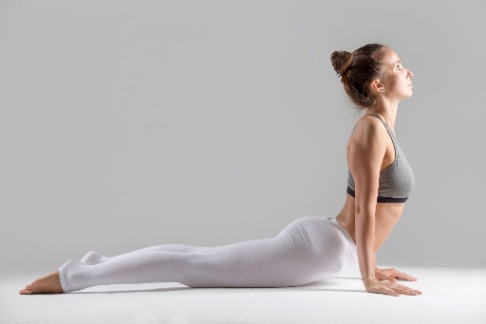
Bhujangasana stretches the abdominals, stimulates the reproductive organs and helps reduce stress and fatigue. It also improves posture and flexibility of the spine.
Setu Bandhasana (Bridge Pose)
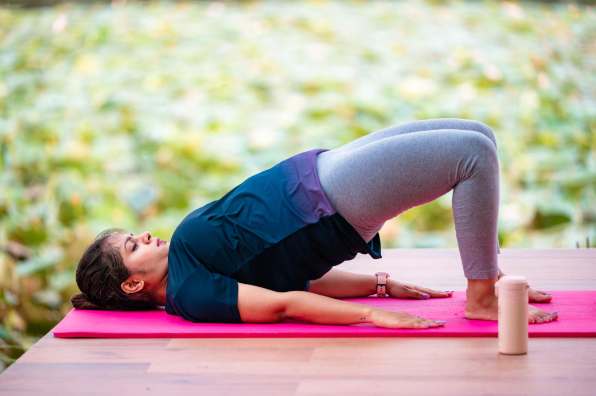
Bridge pose supports thyroid function; enhances circulation in the pelvis; and calms the nervous system. It may help with anxiety and stress related to hormones.
Balasana (Child’s Pose)
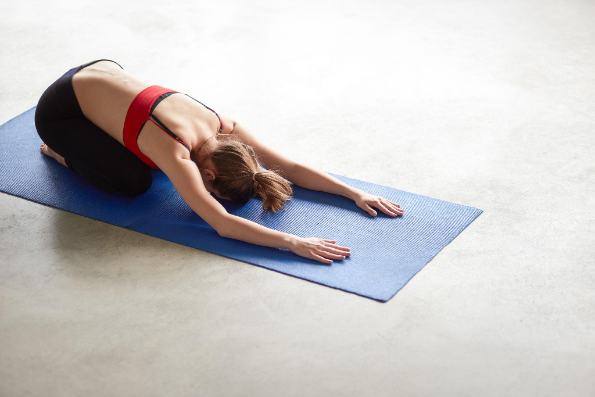
Balasana is a restorative position that helps lower cortisol levels, releases tension in the lower back and promotes emotional balance during hormonal changes.
Butterfly Pose (Baddha Konasana)
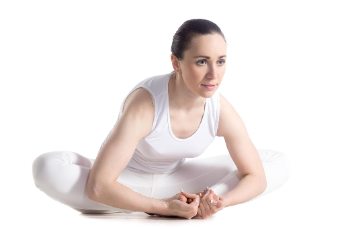
Butterfly Pose increases flexibility in the hips and inner thighs while stimulating the reproductive organs. This posture has been recommended for good menstrual pelvic health.
Surya Namaskar (Sun Salutation)
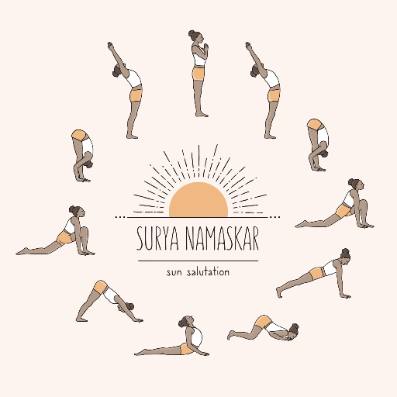
Surya Namaskar is a comprehensive yoga practice that boosts metabolism, improves circulation, controls body weight and helps restore hormonal balance through regular practice.
Ways You Can Change Your Lifestyle to Help with Hormonal Imbalance
- Start Each Day with a Protein-Rich Breakfast
Eating protein in the morning helps keep your blood sugar levels steady and makes it less likely that you will experience cravings later in the day. - Exercise Regularly
Walking, yoga and other forms of exercise can all help to improve how your body responds to insulin and regulate your hormones. - Get Enough Sleep
It’s important to get 7 to 8 hours of sleep each day. Poor sleep can make any existing hormonal imbalance worse. - Reduce Processed Foods
You should limit your intake of any type of refined sugar and packaged snack foods as well as sugary drinks. - Reduce Stress
The impact of long-term stress on a person’s level of cortisol as well as reproductive hormones really can’t be overstated. - Be Consistent
Since changing hormonal balance can take time to achieve, establishing sustainable habits will always be better than going on extreme diets or doing intense workouts.
Will PCOS and/or PCOD Affect Your Ability to Get Pregnant?
The answer is yes! Women with both conditions can successfully have children and enjoy a healthy pregnancy after conception.
Having said that there is a chance that if you have PCOS that you may have a harder time conceiving because your ovulation may not occur regularly. Making lifestyle changes for your hormonal imbalance, seeking out medical support ( If needed) ,managing your stress, and keeping your body at a healthy weight can greatly improve your chances for successful conception and pregnancy.
You may want to seek assistance from a doctor who specializes in women’s health if any of the following apply to you:
- You are missing periods or experiencing irregularity in menstrual cycles.
- You have been trying to get pregnant for over 1 year and have been unsuccessful.
- You are experiencing severe symptoms related to your hormonal imbalance.
Conclusion
Although they can sound the same, PCOS and PCOD affect the body very differently. While PCOD symptoms can often be managed by making lifestyle changes, PCOS is a more complicated hormonal and metabolic disorder that requires ongoing management.